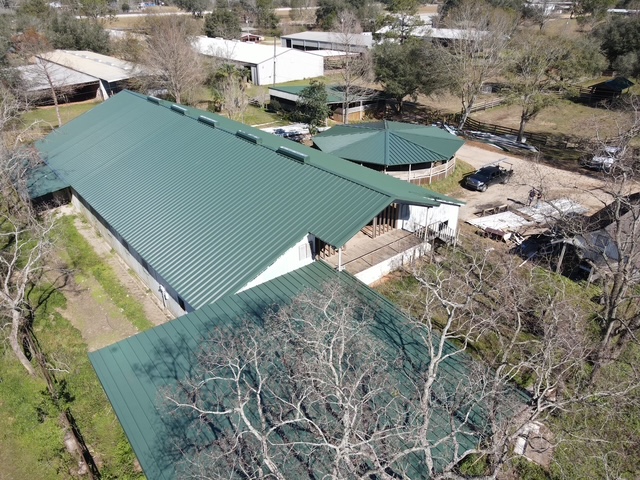
A well-built metal roof can handle very strong wind, including winds produced by many hurricanes. However, no roof is completely safe from every storm. Its strength depends on the type of metal system, how it was installed, the condition of the roof deck, and the age of the materials. Flying debris can also damage a roof even when the panels remain attached. Synergy Roofing provides metal roof repair in New Orleans for homes and businesses affected by hurricane damage.
Metal Panels Are Strong Against Wind
Metal panels are made to resist rain, heat, and high winds. They are less likely to crack or tear than many other roofing materials. Their smooth surface can also help wind move over the roof instead of catching beneath it. However, the panels must be properly secured to the structure. A strong metal roofing system includes the panels, fasteners, flashing, roof deck, and edge materials. When all these parts work together, the roof has better wind resistance during tropical storms and hurricanes.
Installation Affects How the Roof Performs
Even strong roofing material can fail when it is installed poorly. Each panel must be secured with the right clips, screws, or other fasteners. The spacing and placement of these parts affect how much wind pressure the roof can handle. Loose screws and poorly joined seams may allow wind to enter beneath the panels. Once air gets under the surface, it can place upward force on a large part of the roof. Proper metal roof installation helps keep the panels attached, while secure roof fasteners reduce movement during strong winds.
Standing Seam Roofs Offer Strong Protection
Standing seam metal roofs use long panels with raised seams. The fasteners are hidden beneath the panels, which protects them from rain and direct weather exposure. This design also gives wind fewer open edges to catch. Standing seam systems are often used on homes and commercial buildings in areas that receive severe weather. Their strength still depends on the roof design and installation. A properly fitted standing seam roof can provide strong storm protection, while damaged clips or loose metal panels may need repair before hurricane season.
Roof Edges Face the Most Pressure
Wind pressure is often strongest around the edges and corners of a roof. These areas can begin to lift before the center panels show any damage. If the drip edge, flashing, or metal trim becomes loose, wind may move beneath the roofing system. The roof can then suffer greater damage as the storm continues. A roofer should check the roof edges for loose pieces, open gaps, and bent metal. Strong perimeter flashing helps keep wind and rain from reaching the underside of the panels.
The Roof Deck Must Also Be Strong
Metal panels are attached to the roof deck or another support system below them. If this base is weak, damaged, or poorly attached, the entire roof may have less strength during a hurricane. Rot, old water damage, and weak connections can make the deck more likely to shift or lift. A strong roof deck gives the metal panels a solid surface to hold onto. The roof structure below it must also be in good condition because strong panels cannot protect a building if the parts supporting them begin to fail.
Flying Debris Can Still Cause Damage
A metal roof may stay attached during strong wind but still be damaged by branches, signs, or other objects carried through the air. Heavy debris can dent panels, damage protective coatings, or open seams. A deep dent may change how water moves across the roof and create a place where moisture collects. Damage to the coating can also expose the metal below and raise the risk of rust. After a storm, a metal roof inspection can find dents, punctures, and open roof seams that may not be visible from the ground.
Age and Maintenance Affect Wind Resistance
Metal roofs can last for many years, but their parts still need care. Screws may loosen, sealant can crack, and flashing may shift as the roof expands and contracts in changing temperatures. Rust or past repairs can also create weak areas. Regular roof maintenance gives a roofer a chance to find these problems before severe weather arrives. Replacing worn seals, tightening approved fasteners, and repairing damaged flashing can improve the condition of an older metal roof and help it perform better during a storm.
Inspect the Roof After Every Major Storm
A metal roof may appear fine after a hurricane even when wind has loosened fasteners or opened a seam. Signs of trouble can include rattling panels, bent edges, water stains, loose trim, or metal pieces on the ground. Do not climb onto the roof to check it yourself, especially when it is wet or damaged. Synergy Roofing provides metal roof repair in New Orleans for residential and commercial properties. Contact our team today to schedule a storm damage inspection and address hidden problems before the next heavy rain.